
What Are Bone Conduction Headphones? How They Work, Pros and Cons
Bone conduction headphones play sound through your cheekbones and keep your ears open. Learn how they work, the pros and cons, and who they suit.

Bone conduction headphones play sound through your cheekbones instead of your ear canals. They sit just in front of your ears and leave them completely open, so you hear your music and the world around you at the same time. That makes them one of the most popular types of open ear headphones for running, cycling and outdoor training.
How Do Bone Conduction Headphones Work?
Most headphones push sound waves through the air into your ear canal, where they vibrate your eardrum. Bone conduction headphones skip that step. Small transducers rest on your cheekbones and send gentle vibrations through the bone straight to the cochlea, the part of the inner ear that turns vibration into the signals your brain hears as sound.
It sounds futuristic, but you already use bone conduction every day. It is part of the reason your own voice sounds different on a recording. When you speak, you hear yourself partly through the bones of your skull, and a recording strips that away.
Bone Conduction Headphones for Running and Cycling
The biggest benefit is awareness. On a road run or a bike ride you can still hear traffic, cyclists, other runners and your coach shouting splits. Many race organisers ban in-ear headphones for safety, and some allow open ear designs, so check the rules for your event before race day.
They are also comfortable for long sessions. Nothing presses into your ears, so there is no soreness after a two-hour run and no sweat trapped in your ear canal. Our Tri-Tek Pro X1 Open-Ear Bluetooth Bone Conduction Headphones use a light wraparound band that stays in place when you are moving hard, and they make an easy first step into bone conduction.
Waterproof Bone Conduction Headphones for Swimming
Some bone conduction headphones are built for the pool. Bluetooth signals do not travel well through water, so swimming headphones carry your music on built-in storage instead of streaming it from your phone. The Tri-Tek Pro X2 Waterproof Bone Conduction Headphones work this way, with a built-in MP3 player so you can load your playlist and swim lengths without a phone anywhere near the water.
Pros and Cons of Bone Conduction Headphones
Bone conduction is not perfect, and it helps to know the limits before you buy.
- Bass is lighter. You get clear vocals and podcasts, but less of the deep thump you feel from in-ear buds.
- Noisy places are harder. Because your ears are open, a busy train or a loud gym can drown out quieter tracks.
- Some sound leaks. At high volume, people close by may hear a faint version of what you are playing.
- The vibration takes getting used to. At louder volumes you may feel a slight tickle on your cheekbones. Most people stop noticing it within a few days.
Using Bone Conduction Headphones with Your Smartwatch
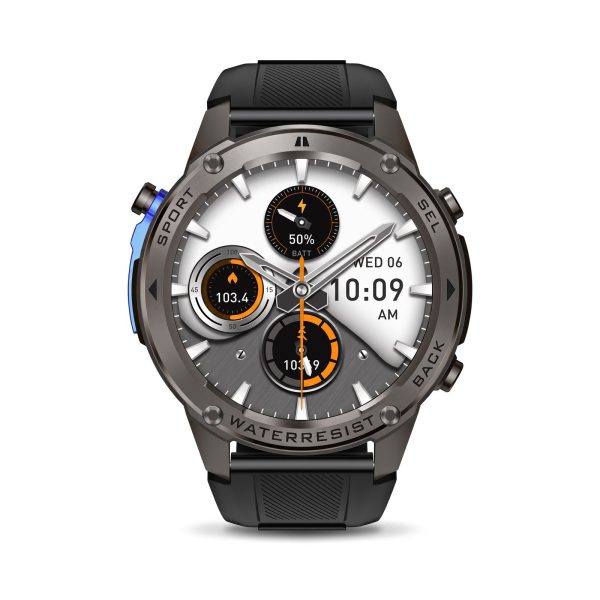
Bone conduction headphones connect over Bluetooth like any other wireless pair, so they work with your phone and with smartwatches that support Bluetooth audio. Paired with a GPS watch such as the Tri-Tek Pro Explorer GPS Smartwatch or Explorer Plus GPS Smartwatch, you can track pace, distance and heart rate on your wrist while your music plays and your ears stay open to the road.
Bone Conduction Headphones for Kids
Because they keep the ears open, bone conduction headphones are also a sensible choice for children walking to school or riding a bike, where hearing what is going on around them matters. The Tri-Tek Pro Kids Wireless Bone Conduction Headphones are sized for younger listeners. As with any headphones, keep the volume moderate to protect young ears.
Are Bone Conduction Headphones Right for You?
If you run, cycle, swim or train outdoors, or you simply want to stay aware of your surroundings while listening, bone conduction headphones are well worth trying. If you mainly want rich, bass-heavy sound on a noisy commute, noise cancelling earbuds such as the Tri-Tek Pro Pure Wireless Active Noise Cancelling Earbuds or Groove Wireless Noise Cancelling Earbuds will suit you better, and plenty of people end up owning both.
Bone Conduction Headphones FAQs
Are bone conduction headphones safe?
They are safe to use at sensible volumes. Like any headphones, very loud listening over long periods can still damage your hearing, because the sound still reaches your inner ear.
Can other people hear bone conduction headphones?
At low and medium volume, very little. At high volume, people sitting close to you may hear some sound leaking out.
Can you wear bone conduction headphones with glasses?
Yes, most people can. The band sits behind the head and the transducers rest in front of the ears, clear of most glasses arms.
Do bone conduction headphones work if you have hearing loss?
They can help some people with conductive hearing loss, because they bypass the outer and middle ear. Speak to an audiologist about your own hearing before relying on them.


More articles
All articles-
 October 12, 2026
What Are Air Conduction Headphones? Open Ear Air Conduction vs Bone Conduction
Open ear air conduction headphones play sound into your ear without blocking it. See how they work and how they compare with bone conduction.
-
 October 12, 2026
Bone Conduction Headphones vs Earbuds: Why Owning Both Makes Sense
Bone conduction headphones keep you aware outdoors. Noise cancelling earbuds block out the commute. Here is why many people own both.
-
 September 7, 2025
Which Noise Cancelling Earbuds are Best Value for Money
What is noise cancelling and why does it matter? Active noise cancellation works by detecting ambient sounds and neutralising them with counter-frequencies.